NEW!
商品番号:5871
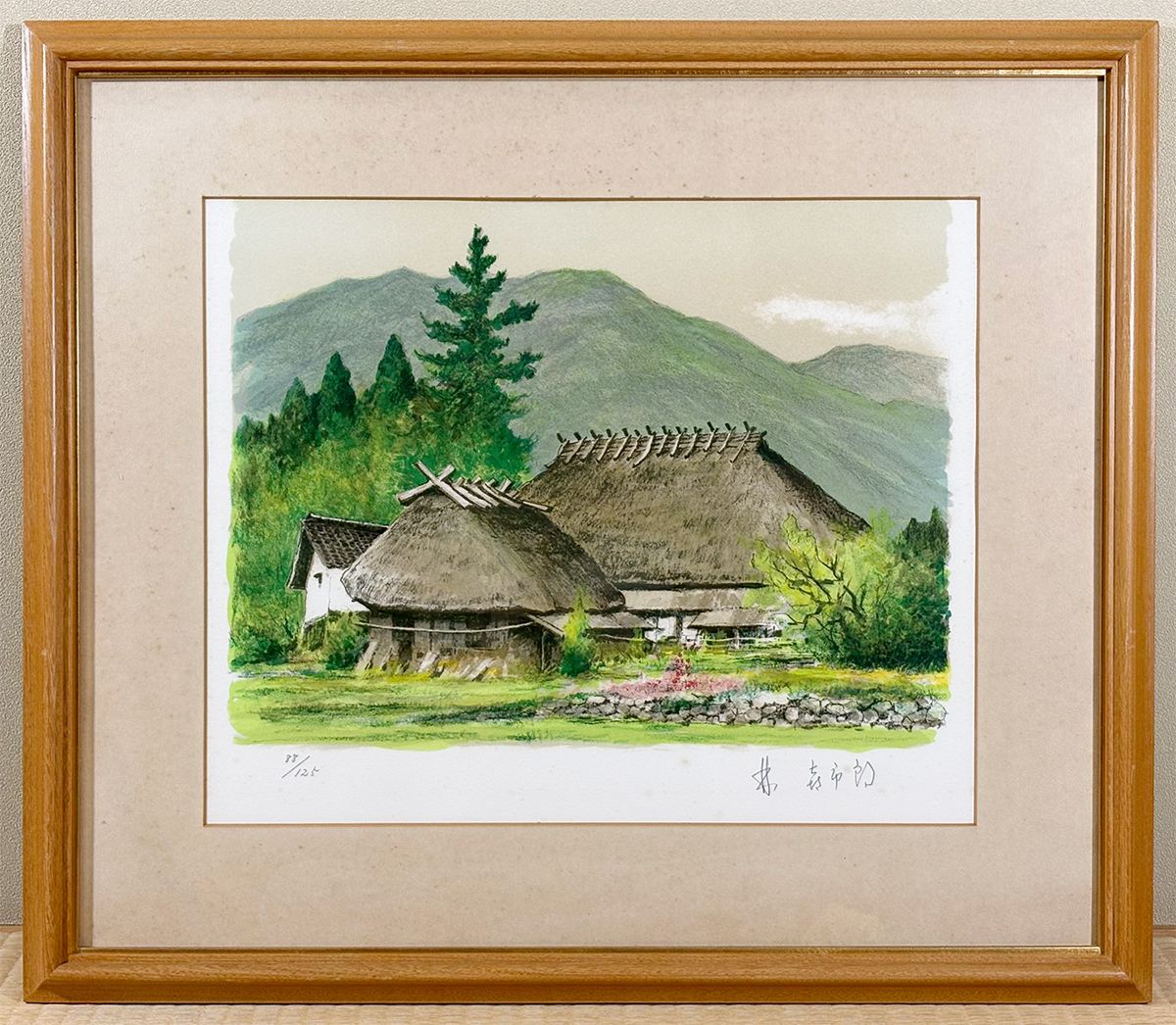
山家|額(リトグラフ)
林 喜市郎作
16,000円
ARTIST
大正8年(1919)千葉県野田市に生まれる。
戦後の昭和21年(1946)シベリアに抑留され、昭和25年(1950)に帰国する。帰国後、各地の民家を訪ね歩いて油彩で描き始めた。昭和45年(1970)全国勤労者美術展で都知事賞を受け、翌年から一水会展に入選を重ねる。昭和48年(1973)ブロードウェイギャラリーで第1回の個展を開き、昭和50年(1975)には日伯現代美術展に入選してブラジル展にも選ばれた。その後も松坂屋・東武百貨店・東急百貨店などで個展をたびたび開く。昭和56年(1981)著書『民家を描く十二ケ月』(渓水社)を刊行。50歳を過ぎてから名を知られるようになった遅咲きの洋画家で、全国の茅葺き(藁葺き)屋根の民家を生涯描き続けた。とくに富士山を望む山梨県忍野村の民家を多く描き、失われゆく日本の農村の姿を写実的かつ叙情豊かに描いたと評された。作品に《奥多摩》《秋田 本荘附近》など。
平成11年(1999)没。享年81歳。
| 出身地 | 千葉県野田市 |
|---|---|
| ゆかりの地 | 千葉県 |
Contact
受付時間 10:00~22:00
※商品のお問い合わせの際は「商品番号・作者・作品名」をお知らせください。スマートフォン・タブレットでご覧の方は電話番号をタップするとそのまま発信いただけます。
PDF形式のファイルをご覧いただく場合には、Adobe Acrobat Readerが必要です。お持ちでない方は下記バナーリンクよりダウンロードください。