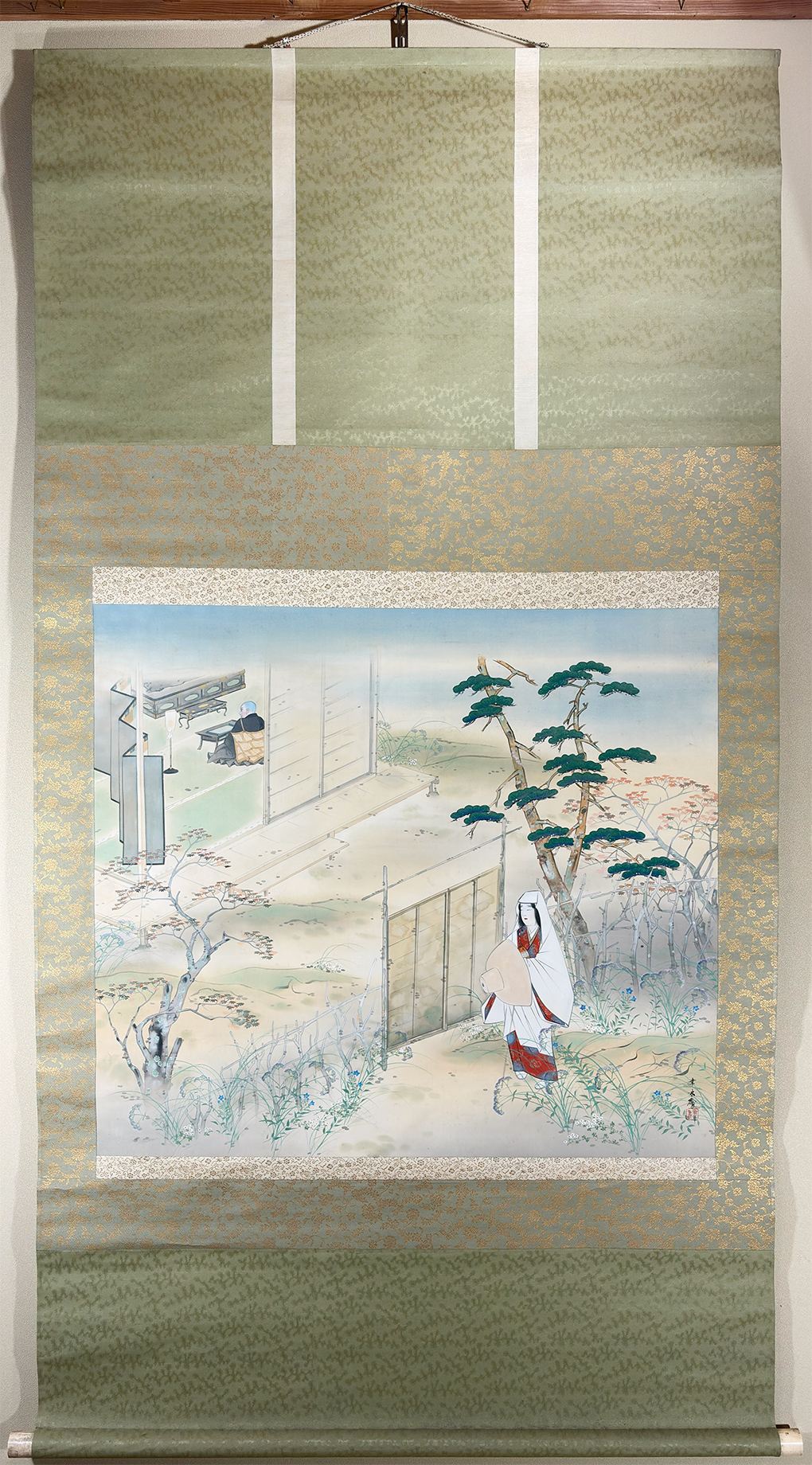
ARTIST

福山 聿水

ふくやま いっすい (1893~没不明)

明治26年(1893)、三重県河芸郡黒田村(現・津市)に生まれる。
京都に出て谷口香嶠に師事し、同じ三重県出身の川北霞峰、また菊池契月にも学ぶ。歴史画・人物画を得意とした。大正6年(1917)、第11回文展に《凌霄花》が入選。大正15年(1926)には第7回帝展に二曲屏風一双の《山王祭》が入選。大正から昭和にかけて京都・知恩院山内の良正院に住み、書画家番付や画家名鑑に京都の文展・帝展作家として名を連ねた。作品に《八幡太郎義家図》《義経弓流図》《勿来関》《鉢之木》など、武者や故事を描いたものがある。

出身地三重県河芸郡黒田村(現・津市)
ゆかりの地三重県京都府
師事(師匠)谷口 香嶠川北 霞峰
展覧会文展帝展

※上記の師弟関係については、当サイトに登録済みの作家のみデータ連携しております。未登録の作家もありますので、実際は上記の限りではない場合がございます。あらかじめご了承ください。

English summary

Fukuyama Issui (1893 – )

Fukuyama Issui (born 1893), a Nihonga (Japanese-style) painter, was born in Kuroda Village, Kawage District, Mie Prefecture (now part of Tsu). He moved to Kyoto and studied under Taniguchi Kokyo, and also learned from Kawakita Kaho, a fellow native of Mie, and from Kikuchi Keigetsu. He specialized in history painting and figure painting. In 1917 his Trumpet Creeper was accepted at the 11th Bunten (Ministry of Education Art Exhibition), and in 1926 his Sanno Festival, a pair of two-panel folding screens, was accepted at the 7th Teiten (Imperial Art Exhibition). From the 1920s into the 1940s he lived at Ryoshoin, a subtemple within the precincts of Chion-in in Kyoto, and his name appeared in published rankings and directories of painters as a Kyoto artist exhibiting at the Bunten and Teiten. His works include Hachiman Taro Yoshiie, Yoshitsune Dropping His Bow, Nakoso Barrier and Hachi no Ki (The Potted Trees), depicting warriors and scenes from history and legend.

お問い合わせ・ご注文

Contact

【お電話からのお問い合わせ・ご注文】

受付時間 10:00~22:00
※商品のお問い合わせの際は「商品番号・作者・作品名」をお知らせください。スマートフォン・タブレットでご覧の方は電話番号をタップするとそのまま発信いただけます。

【FAXからのお問い合わせ・ご注文】

0853-31-8007

PDF形式のファイルをご覧いただく場合には、Adobe Acrobat Readerが必要です。お持ちでない方は下記バナーリンクよりダウンロードください。

【メールフォームからのお問い合わせ】

メールフォームからのお問い合わせは24時間受け付けておりますので、お気軽にご連絡ください。通常1~2営業日以内に返答いたします。

【買い物かごでのご注文】

当サイトの「買い物かご」システムより、Web上で簡単にご注文いただけます。ご利用の流れや発送・送料に関しては下記をご確認ください。